In his song Frienemies, Stephen the Levite is joined by JGivens and Tragic Hero to reminisce about their love / hate relationship with hip hop culture. It’s a fun new song and video to bring in the New Year. I hope you all enjoy.
Author: William F. Leonhart III
Annual Bible Reading, from Guest Blogger: Junior Duran
I didn’t become a Christian until I was 29. When I was growing up in a charismatic Christian household and I had a question about religious beliefs and practices I was told simply, “You just have to have faith.” That response wasn’t good enough for me before I was a Christian and I wasn’t satisfied with it after I became a Christian.
When I was just a few months into the faith I began working in Christian talk radio. The first lesson I learned from the radio personalities were the three rules of bible interpretation:
- Context.
- Context.
- Context.
What is the immediate context of your passage? What is the context of your passage within that specific book? What is the context of the passage within the whole of scripture?
Graeme Goldsworthy lists some approaches to bible reading programs that are “less than helpful”,
- Bible-reading programmes consisting of unrelated snippets drawn from all parts of Scripture with no obvious connection other than perhaps some loose thematic relationship.
- Programmes without any perspective on the “big picture” of the history of redemption (salvation history).
- Strategies that aim at extracting a devotional thought for the day rather than allowing the text to dictate the outcome.
- Lack of any real hermeneutical guide for the application of texts, especially Old Testament passages.
- Asking the wrong questions of the text: usually something like, “What does this teach me about myself?’ before asking, ‘How does this passage testify to Christ?’.
[Goldsworthy, Graeme. Gospel-centered Hermeneutics: Foundations and Principles of Evangelical Biblical Interpretation. Downers Grove, IL: IVP Academic, 2006. Print. page 309]
 Because of principles like these I eventually started reading the The One Year Chronological Bible by Tyndale. Although this is an NIV bible I was later able to get the electronic version for my Laridian Pocket Bible. This enables me to keep the same reading plan while using my preferred bible translation. I’ve been reading through the bible this way for several years.
I want to differentiate between bible reading and bible studying.
I’m not talking about studying the bible, pulling out and comparing commentaries and/or lexicons, or even reading bible study notes. I’m just talking about reading the text. Getting the text into you. Depending on the passage it will take anywhere from five to twenty minutes to finish a day’s readings.
After about my third year of doing this the bible’s big picture began to come into focus. I believe if a person does this it will greatly aide in their discernment and they’ll be able to notice when theologians and commentaries agree or disagree with scripture. Specifically, when a theologian or commentator might concur with one particular scripture passage while possibly contradicting another passage of scripture. Wheat from Chaff, Heat from Light, discernment is important. You can agree with some of what theologians propose in one area while recognizing their inconsistencies in other areas.
Finally, a word about prayer and bible reading. I use the Lord’s Prayer and Psalm 51 as a framework for prayer. Also, since I don’t have time to pray for everything I would like to at one time, I’ve split them out through the week. Here’s my daily prayer and bible reading outline (you might use a notebook).
- Prayer: Revelation and Illumination (Always pray for understanding before your read the scriptures)
- Passage: (the text for the day)
- Principle: (what were some principles learned from the day’s text)
- Prayer: Confession
- Petition
- Restoration and Renewal
- Submission, Obedience, and Preservation
- Provision
- Intercession
- Deliverance and Protection
- Sunday: Local Church
- Monday: Co-Workers
- Tuesday: Governments
- Wednesday: Family
- Thursday: Persecuted Church
- Friday: Friends
- Saturday: Neighborhood
- Adoration and Worship
- Petition
- Practice (look for ways to put what you learned today into practice, James 1:22-26)
[ReBlog] Some Thoughts on Reading the Bible in 2015
From Dr. Benjamin Shaw
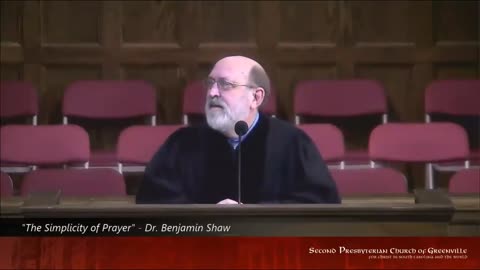 “This is not another post on Bible reading plans. There are about a thousand different reading plans out there, and I have no intention of adding to the list. What I will say first is that if you really want to read through the Bible in 2015, use a plan that takes you straight through from the beginning to the end. The Bible is one great big fantastic story, and if you’re reading a little here and a little there every day, you lose the plot.
Second, get yourself a Bible for reading. What I mean is that most Bible publishers do everything they can to make it hard to read the Bible. They print it in two columns. They put cross references in there. They put notes at the bottom of the page. They print in different colors, and add pictures and drawings. All of this can be helpful if you’re studying the Bible. But if you’re reading the Bible, it all distracts. When was the last time you picked up a novel that was printed in double columns, or had footnotes, or was printed in different colors, or had cross references? Of course you wouldn’t expect cross references or footnotes in a novel. But the point is that those things distract from the task of reading.” Read more…
ht: Junior “The Big Dippa” Duran
A Working Definition of Evangelism (Revised)
You can see the original Definition here.
_____________
With a view toward making disciples of all peoples and bringing them into covenant with a local church, in which they shall be baptized in the name of the Triune God and taught to obey all Christ commanded, evangelism is the act of worship whereby Spirit-led believers articulate for unbelievers God’s holiness, man’s sin and its wages, Christ’s accomplishment of redemption through His obedience in life, death, and resurrection, and the proper response of sinners: repentance from sin toward God and faith in Jesus Christ alone for salvation.
M’Cheyne Bible Reading Plan: December
December 1
- Family Reading ( 1Chronicles 29; 2Peter 3 )
- Personal Reading ( Micah 6; Psalm 107 )
December 2
- Family Reading ( 2Chronicles 1; 1John 1 )
- Personal Reading ( Micah 7; Psalms 108&109 )
December 3
- Family Reading ( 2Chronicles 2; 1John 2 )
- Personal Reading ( Nahum 1; Psalms 110 &111 )
December 4
- Family Reading ( 2Chronicles 3-4; 1John 3 )
- Personal Reading ( Nahum 2; Psalms 112&113 )
December 5
- Family Reading ( 2Chronicles 5; 1John 4 )
- Personal Reading ( Nahum 3; Psalms 114&115 )
December 6
- Family Reading ( 2Chronicles 6; 1John 5 )
- Personal Reading ( Habakkuk 1; Psalm 116 )
December 7
- Family Reading ( 2Chronicles 7; 2John )
- Personal Reading ( Habakkuk 2; Psalms 117&118 )
December 8
- Family Reading ( 2Chronicles 8; 3John )
- Personal Reading ( Habakkuk 3; Psalm 119:1-24 )
December 9
- Family Reading ( 2Chronicles 9; Jude )
- Personal Reading ( Zephaniah 1; Psalm 119:25-48 )
December 10
- Family Reading ( 2Chronicles 10; Revelation 1 )
- Personal Reading ( Zephaniah 2; Psalm 119:49-72 )
December 11
- Family Reading ( 2Chronicles 11-12; Revelation 2 )
- Personal Reading ( Zephaniah 3; Psalm 119:73-96 )
December 12
- Family Reading ( 2Chronicles 13; Revelation 3 )
- Personal Reading ( Haggai 1; Psalm 119:97-120 )
December 13
- Family Reading ( 2Chronicles 14-15; Revelation 4 )
- Personal Reading ( Haggai 2; Psalm 119:121-144 )
December 14
- Family Reading ( 2Chronicles 16; Revelation 5 )
- Personal Reading ( Zechariah 1; Psalm 119:145-176 )
December 15
- Family Reading ( 2Chronicles 17; Revelation 6 )
- Personal Reading ( Zechariah 2; Psalms 120-122 )
December 16
- Family Reading ( 2Chronicles 18; Revelation 7 )
- Personal Reading ( Zechariah 3; Psalms 123-125 )
December 17
- Family Reading ( 2Chronicles 19-20; Revelation 8 )
- Personal Reading ( Zechariah 4; Psalms 126-128 )
December 18
- Family Reading ( 2Chronicles 21; Revelation 9 )
- Personal Reading ( Zechariah 5; Psalms 129-131 )
December 19
- Family Reading ( 2Chronicles 22-23; Revelation 10 )
- Personal Reading ( Zechariah 6; Psalms 132-134 )
December 20
- Family Reading ( 2Chronicles 24; Revelation 11 )
- Personal Reading ( Zechariah 7; Psalms 135&136 )
December 21
- Family Reading ( 2Chronicles 25; Revelation 12 )
- Personal Reading ( Zechariah 8; Psalms 137&138 )
December 22
- Family Reading ( 2Chronicles 26; Revelation 13 )
- Personal Reading ( Zechariah 9; Psalm 139 )
December 23
- Family Reading ( 2Chronicles 27; Revelation 14 )
- Personal Reading ( Zechariah 10; Psalms 140&141 )
December 24
- Family Reading ( 2Chronicles 28; Revelation 15 )
- Personal Reading ( Zechariah 11; Psalm 142 )
December 25
- Family Reading ( 2Chronicles 29; Revelation 16 )
- Personal Reading ( Zechariah 12; Psalm 143 )
December 26
- Family Reading ( 2Chronicles 30; Revelation 17 )
- Personal Reading ( Zechariah 13; Psalm 144 )
December 27
- Family Reading ( 2Chronicles 31; Revelation 18 )
- Personal Reading ( Zechariah 14; Psalm 145 )
December 28
- Family Reading ( 2Chronicles 32; Revelation 19 )
- Personal Reading ( Malachi 1; Psalms 146&147 )
December 29
- Family Reading ( 2Chronicles 33; Revelation 20 )
- Personal Reading ( Malachi 2; Psalm 148 )
December 30
- Family Reading ( 2Chronicles 34; Revelation 21 )
- Personal Reading ( Malachi 3; Psalm 149 )
December 31
- Family Reading ( 2Chronicles 35; Revelation 22 )
- Personal Reading ( Malachi 4; Psalm 150 )
[Announcement] M’Cheyne Wrap-Up
 As is the case with much of what I post on this site (The Baptist Confession, The Baptist Catechism, A Catechism for Boys and Girls, etc.), I have undertaken the project of posting Robert Murray M’Cheyne’s Bible Reading Plan primarily for the benefit of my own personal study. However, if the Lord so ordains that it would be a blessing to more than just me, how rewarding that would be. With that in mind, I simply would like to announce that the final post of the M’Cheyne Plan will be published in just a few short days. Be on the look out for it, and let your friends know about it so that they might read along with us in 2015.
Visitors in the Potter’s House
In January 2012, I took a class taught by Justin Peters at Southwestern Baptist Theological Seminary entitled “Theology of the Word of Faith Movement.” One of the assignments we were given was to attend a Word of Faith church or conference in the area and write an essay detailing our experience.. I chose to attend T.D. Jakes’ church in Dallas: The Potter’s House. The article to follow is the substance of the essay I submitted.
__________
I attend a church that rents space in another church’s building, so we alternate our service times with them. We usually meet at three o’clock in the afternoon on Sundays. On March 25, 2012, I woke up earlier than I’ve woken up on a Sunday in years. At 8:30am, I found myself having coffee with my friend John, a graduate of Dallas Theological Seminary and a fellow member at my church. He had agreed to go with me to visit The Potter’s House, the home church of Bishop T.D. Jakes, a well known prosperity preacher and Oneness Pentecostal. What we witnessed that day was baffling to put it lightly. At times, the “service” was theatrical. At times, it was compelling. At times, it was confusing. However, at no point would I classify what was transpiring before my eyes as true, godly worship from God’s people.
From the Car to the Pew
John and I rode together from the diner to The Potter’s House. Having attended predominantly black churches growing up, John had made a point to visit Jakes’ church early on in his seminary career. So, I decided early on to take all my cues from him. However, it had been a few years since he first visited the church so, as he would later tell me, there were many things that caught even him by surprise.
The parking lot was on the other side of the street and, as with many mega-churches today, they had quite a few men out in the parking lot directing traffic. Like sheep, we were directed through every turn until we found our parking spot. Emerging from the passenger side of John’s vehicle, the first thing I noticed was the amount of skin and tight dresses that marked the average female attendee. I had to keep my eyes on John and focus hard on our discussion the whole way to the church in order to remain pure in thought. In hushed tones, we discussed cultural and geographical standards of modesty until we got to the front door of the church building.
 Walking through the glass double doors, the first thing that struck me was the likeness the building shared with a convention center or concert hall. The walls were carpeted and there were men in suits standing near the doors leading into the main sanctuary who looked as though they were there to check tickets. To the far right of the lobby area was the bookstore. John told me that the last time he was at The Potter’s House he visited the bookstore, and it was full of nothing but Jakes’ books and DVDs. He insisted that we go and see if it had changed at all since his last visit.
I will say that I was struck by the sheer amount of T.D. Jakes merchandise that lined the walls and filled the displays, especially his new book Let It Go. There were other authors represented in the store, though. Interestingly, there were quite a few copies of Voddie Baucham’s book What He Must Be …If He Wants to Marry My Daughter on one shelf. Voddie Baucham recently appeared on James White’s podcast The Dividing Line where he explained how he had backed out of his commitment to participate in James MacDonald’s The Elephant Room 2 conference, because he did not want to be seen as endorsing another panel member: T.D. Jakes. Although Voddie Baucham does not endorse Bishop Jakes’ teachings, it appears Jakes endorses his. Exiting the store, I felt the urge to check my pockets and make sure I had not accidently placed any merchandise in them as I passed through the scanner while being stared down by a foreboding security guard.
What Transpired Over the Next Two Hours
Upon entering the main sanctuary, John insisted we sit on the far back pew. As we slid in, he said, “I’m going to sit down,” with a look on his face that suggested, “You can do whatever you want to do, but I’m not participating in any of this mess.” As I had already been doing, I followed his cue and sat down. Little did I know, but what I was to witness over the next two hours was nothing short of chaos. There was no real structure to the service, at least not one of which anyone not in leadership could have been aware.
The service began with a woman, obviously worked up into a sweat, leading the people through a high-intensity, heavy-breathing, over-dramatic prayer thing. I say “thing” because it was not quite as apparent that she was praying to God as much as she was putting on a show for the people. The people seemed to love it though, as they were just as worked up as she was. She then commenced to lead the people through some announcements until she was suddenly interrupted by Bishop Jakes, at which point she grabbed her notes and out of an almost worshipful show of reverence toward Jakes shuffled off the stage not to be seen again for the rest of the service.
 The announcement that prompted Jakes’ interestingly timed interruption was the announcement of his latest movie. He picked this particular service to announce that he would soon release a follow-up to his first movie Woman, Thou Art Loosed. He explained that it would not be a sequel, but the second in a long series of unrelated stories that showcase the trials and victories of “real” people. He lamented that no movies being released today show people struggling with the things with which the people he knows struggle. Suddenly, the lights went dim, and a trailer for the movie was shown. After the trailer, the people erupted in fanatical applause.
Next was the praise and worship time which was hard to follow because, again, the person of God was not the unmistakable focus of the praise and worship, except perhaps in word. There were dancers who looked more Hindu than Christian as they twirled and waved silken scarves in the air. Those leading the singing seemed more concerned with performing for the people than leading them in worship and admiration of God. Sadly, I cannot say that there was any element in this spectacle to which I had not already been exposed in Southern Baptist mega-churches. Nevertheless, I would argue that, wherever this type of performance exists, it is not God-honoring worship. By about the fifth song, John leaned over to me and said, “Have we really been here an hour already?” Later, he would explain that he was dismayed at the lack of emphasis on the word of God. We had been at “church” for an hour, and the word of God had not been referenced even once.
The real chaos did not begin to ensue, however, until Jakes took the pulpit. He preached from one of Jesus’ parables: the parable of the wicked servant from Matthew 18:21-35. He used this passage to argue that Christians must forgive if they hope to be forgiven. In essence, he argued that Christians ought to behave a certain way in order to incur the same from God. This type of theology is at the heart of the Word / Faith movement. At the heart of the movement is the desire to get God to do what one wants God to do. Thus, their sermons are more like a series of “how-tos” than an actual explanation of the word of God. Throughout the message, as Jakes weaved in and out of stories and emotional pleas, the organ played in the background, the people were in and out of their seats and, at times, men and women were seen running up and down the aisles with banners and blankets waving in the air over their heads.
Perhaps the most heretical moment in the entire service was the taking of the collection. At this point, the prosperity gospel was put on full display. Jakes assured his people that their sufferings and hardships were directly linked with their lack of giving. Also of note was the fact that it was perhaps the most ordered part of the service encouraging the people to participate in blatant, open, emotional shows of penitence and worship.
Conclusion
Jakes is perhaps one of the most dangerous of all the Word / Faith teachers, because he has mastered packaging his product in a somewhat evangelical package. His preaching is nothing you will not hear in some of the least discerning of Baptist churches. His style of worship is nothing that one should not expect when attending African-American churches of all stripes: Pentecostal, Baptist, non-denominational, etc. However, he has still neither repented of his Modalistic teachings nor denied the orthodoxy of those who teach the same. Similarly, he has not forsaken the damnable prosperity gospel, but rather teaches it openly. This was truly an eye-opening experience.
What I’m Not Saying About the Godly Line of Seth
Recently, I posted a four-post argument on my understanding of the identity of the “sons of God” in Genesis 6. Since settling on my view of this passage, I have read several articles from those who hold to the more common view. In these articles there are some misnomers I’d like to address. I think each of these arguments can be reduced down to one very simple assertion: Don’t hear what I’m not saying. Let’s address each one of these misnomers in turn.
I’m not saying that the Sethites were anywhere else referred to in Genesis as ‘sons of God’
Sure, the Sethites are not identified anywhere other than Genesis 6 by Moses as sons of God, but neither are fallen angels. The book of Job alludes to angels being called ‘sons of God,’ but even that assumes a certain interpretation. Think of it this way:
Job was the first book written in the Bible. Hundreds of years later Moses wrote the Pentateuch. Hundreds of years after that the prophets tell us that Satan was actually a guardian cherub in the Garden of Eden. Thus, we must assume that Moses, foreseeing the prophets’ understanding of Satan’s nature, interprets that back into Job and then uses that interpretation to identify fallen angels able to create for themselves bodies capable of procreating with female humans. This hermaneutic is, to say that least, bizarre.
However, for God to designate His remnant people as His children is far from bizarre, even for Moses. In Exodus 4:23 God, through Moses, told Pharaoh, “Let My son go that he may serve Me” (NASB). God is a covenant keeping God, and we with whom He keeps covenant are not His mere subjects. We are His sons (Matthew 5:9; Luke 20:36; Romans 8:14; 9:26; Galatians 3:26; 4:6).
I’m not saying that the Sethites were intrinsically godly
Some call into question the certainty with which we can say that the line of Seth were all godly. I would call that into question as well. In and of himself, no man has ever been completely  righteous. Look at the life of Abraham. He deceived to monarchs and put his wife’s purity on the line to save his own skin, and yet he is called righteous. Look at his nephew Lot. He offered up his daughters to the city, got drunk, and impregnated his daughters, and yet he is called righteous.
By referring to the Sethites as the godly line of Seth, we are not eschewing the fact that we are here referring to sinful men. Beyond any doubt, they were sinful men. However, look at the way that sinful men of God are remembered in the Bible vs. sinful men of the world. The New Testament authors only recall the good in the life of Abraham. They refer to Lot as righteous Lot. They recall only the sins of Balaam, but recall only the faith of Rahab the harlot.
So, what is the difference between the godly and the ungodly in a world where all have sinned and fallen short? The difference is a difference of covenant and perseverance. Those who are in covenant with God, though they may sin (even scandalously), through repentance and perseverance, they will be called godly. They will be called sons of God!
I’m not saying that all who are called ‘sons of God’ persevere
Obviously, not all of the Sethites persevered to the end. There is always a certain level of corruption among God’s people. There will always be wheat among the tares. However, God always has His remnant. For the Sethites, the corruption reached so far that, by the time of the flood, the only remnant left was Noah and his immediate family. There were times in the life of the nation of Israel when there were only 7,000 who had not bowed the knee to Baal.
To say that a people of God is godly in the Bible is not necessarily to say that all of them do all things with all godliness at all times. That notion is simply preposterous. If that were the case, why in the world would Paul tell Titus that God’s grace enables us to live godly lives (Titus 2:12)? Why on earth would Peter say that God rescues the godly (2Peter 2:9)? None of us is perfect. We all fall short in many ways. So, to say that the Sethites were godly is not to say that they were perfect or that they persevered to the end. It is simply to say that they were God’s people at that time.
By the time of Noah, they obviously had come to be very corrupt, just as did the nation of Israel before the dispersion and Judah before the exile. That is the point, though. Even though men may fail, God always keeps His promises. He promised a Messiah that would crush the serpent’s head and, though men may fail us every time, God will remain faithful to His promises. God preserved His chosen Seed through Noah, even though the line of Seth eventually failed.
I will not concede that the daughters of men are the daughters of all mankind
Some have also pointed out that “daughters of men” seems to be used to refer generally to the female offspring of all men, not just those of the Cainites. When placed in contrast to the sons of God, though, it is not hard to understand that two very distinct groups are being referenced here. It is much like the use of the two Adams in 1Corinthians 15.
The first Adam became a living soul, but the last Adam (Christ) became a life-giving spirit (vs. 45). Therefore, “as in Adam all die, so also in Christ all will be made alive” (vs. 22; NASB). Does Paul mean here that every individual in Christ has been or will be made alive? Of course he doesn’t. What he is teaching is that there are two types of men. There are those who are in Adam and, therefore, dead in their trespasses and sins, and there are those who are in Christ, who have been raised with Him to walk in newness of life.
Sometimes the biblical authors used general, universal-sounding terms to designate one group, but then mark them out as not being general and universal by contrasting them with a more specific group. That is what Paul was doing when he wrote 1Corinthians 15, and that is what Moses is doing when he speaks of the daughters of men in Genesis 6. The daughters of men are best understood when contrasted with the sons of God. They are those who follow after the precepts of men rather than the precepts of God. So, when God’s chosen people went after them, they committed a great evil in the sight of the Lord.
Who Were the ‘Sons of God’ in Genesis 6? (Full)
Read my four-part series on the “sons of God” in Genesis 6 here, here, here, and here, or read it in full below. Also, check out my follow-up article, What I’m Not Saying About the Godly Line of Seth.
____________________
Of late, I have been leading the 9 to 12 year olds at my church through a discussion of the book of Genesis. When I came to Genesis 6, the question came up that inevitably comes up when surveying this book of the Bible: “Who were the sons of God in Genesis 6?” Now, this was not my first time having studied this text, so the answer came fairly easy for me, but I realize that it is still a hotly debated issue in Evangelicalism. In fact, I recently had an exchange with someone on social media over this topic, and the guy was less than cordial toward me for my stance.
The Fallen Angels View
The default position in the Dispensationalist SBC churches I attended as a child was that the sons of God were fallen angels who became like men and procreated with human women, the offspring of which were giant, hybrid creatures called Nephilim. The go-to text for proving this interpretation was always Job 1:6 where Satan (a fallen cherub) is said to have appeared before God “when the sons of God came to present themselves before the Lord” (NASB). The idea seems to be, if a set of words is used in one way over in one book of the Bible, it must be used in the exact same way wherever else it appears.
Of course, the proponents of this view also cited a few verses from the New Testament:
“For if God did not spare angels when they sinned, but cast them into hell and committed them to pits of darkness, reserved for judgment” (2Peter 2:4; NASB).
“And angels who did not keep their own domain, but abandoned their proper abode, He has kept in eternal bonds under darkness for the judgment of the great day” (Jude 6; NASB).
Also…
“in which also He went and made proclamation to the spirits now in prison, who once were disobedient, when the patience of God kept waiting in the days of Noah, during the construction of the ark, in which a few, that is, eight persons, were brought safely through the water” (1Peter 3:19-20; NASB).
Refutation
Seems like a pretty open-and-shut case, doesn’t it? Hardly. Let’s examine their arguments closer and get into the context of these passages to see whether or not the arguments hold up and are truly supported by the texts here cited.
Job 1:6
Let us start with the assertion many have made that “sons of God” must mean angels in this text precisely because that is what it means elsewhere, like in Job 1:6. This assertion assumes the idea that biblical words and phrases cannot have multiple meanings and usages. This is not true for any language; words and phrases have multiple usages and meanings, regardless of the language you are examining.
Especially when we are dealing with different authors writing in different eras, we need to take these things into account. Job is largely believed to have been written around the same time Abraham lived. We know nothing whatsoever about its author or common usages of phrases during his time. We do know that Moses, who wrote Genesis, lived hundreds of years after Abraham.
In this span of time, the common vernacular was highly likely to change. Consider the fact that the King James Version of the Bible was codified in the 1600s in Elizabethan English, and its language was considered archaic by many as early as the mid-1800s. Moses might have had angels in mind when he used the designation ‘sons of God.’ The only way to know for sure is to look at his usage of it in the immediate context. We will do so in Part Three of our study.
2Peter 2:4
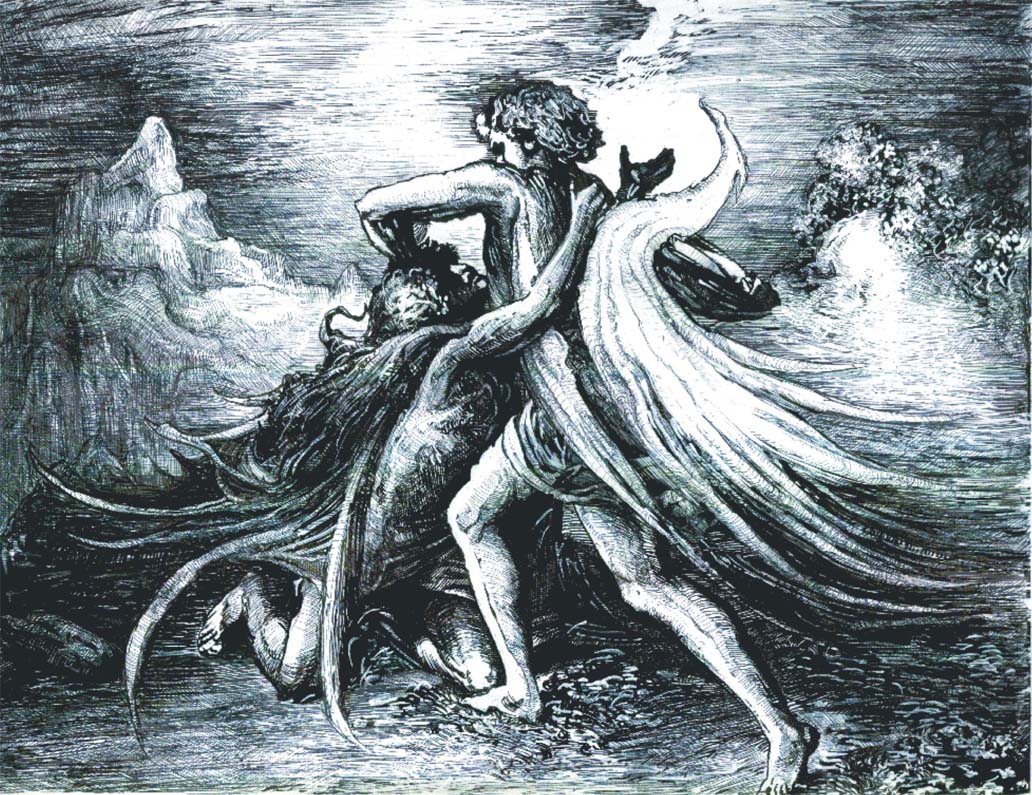 Next, we have 2Peter 2:4 in which Peter tells us that God did not spare angels when they sinned but cast them into hell. How does this even come close to relating to Genesis 6? Well, in the next verse, Peter alludes to Noah’s generation and the judgment they faced. What we have in 2Peter is the apostle’s warning against false teachers. He draws three illustrations of how God deals with false teachers. He judged the angels, he judged the generation of Noah, he judged Sodom and Gomorrah, and He will judge the false teachers in these last days as well. When understood in context, 2Peter 2 provides no support to the “angels sleeping with humans” view of Genesis 6.
Jude 6
But what about Jude 6? Isn’t that a parallel passage to 2Peter, and doesn’t that talk about angels abandoning spiritual form to take bodies for themselves? Proponents of this view draw from the word τὸ οἰκητήριον, claiming that angels left their bodily dwellings in order to assume new bodies. They attempt to justify this usage by pointing out that the only other usage of the Greek word in question is in 2Corinthians 5:2 is in reference to the Christian’s future, glorified (physical) body.
Actually, BDAG tells us that the term used both in Scripture and in extra-biblical texts to refer to heavenly dwelling places. Thus, it is apparently being used figuratively to refer to the bodies we will receive in heaven in 2Corinthians whereas, in Jude, it is used to refer to the angels’ actual heavenly abode. Jude, then, is not arguing that angels took on flesh; rather, he is warning against false teachers who, like those angels, would be punished by God in the end.
1Peter 3:19-20
Finally, in 1Peter 3:19-20, we see that Christ went and made proclamation to spirits who are now in prison. Who were these spirits? In order to determine their identity, we must back up and look at the context. Peter is writing to his audience about their sufferings and claims that Christ too also suffered and died and was made alive in the Spirit. In this same Spirit, he writes, Christ went and made proclamation to the spirits “who were once disobedient, when the patience of God kept waiting in the days of Noah” (vs. 20a).
If Peter is talking about angels here, we have a big problem. Why would the patience of God be waiting for angels to respond to a Messianic proclamation? “For assuredly He does not give help to angels, but He gives help to the descendant of Abraham” (Hebrews 2:16; NASB). Christ did not come to die for angels, but for men, so what proclamation could he have possibly been making to angels? If it is a message of judgment and not salvation, how is it that this proclamation now correlates to baptism (1Peter 3:21)? No. Christ did not preach to the spirits of enfleshed angels; he preached to the spirits of men.
How then did the Spirit of Christ preach to the men of Noah’s day? Simple. He preached to them through Noah! Noah was a “preacher of righteousness” (2Peter 2:5); he was God’s messenger in his day. When God’s messenger speaks, God speaks. Had Noah’s generation heeded his voice and entered the ark, they would have been saved. In like manner, when we heed the voice of God’s divinely appointed messengers and are immersed into union with Christ, we are saved from the judgment to come.
The Godly Line of Seth
Now, we’ve examined the identity of the sons of God in Genesis 6, stating the default position of most in the Western church and refuting it with some negative argumentation. Let us now begin to offer a positive argument for the position I hold. As far as I am aware, there are three common positions held on the sons of God in Genesis 6, one of which I will not concern myself for lack of space and time.
Augustine
Plain and simple, the position I hold is the position commonly called the “godly line of Seth” view. This position has historically been held by many Protestants, but was most famously championed by Augustine in his City of God. In City of God, Augustine spends the first half of the tome arguing in the negative against 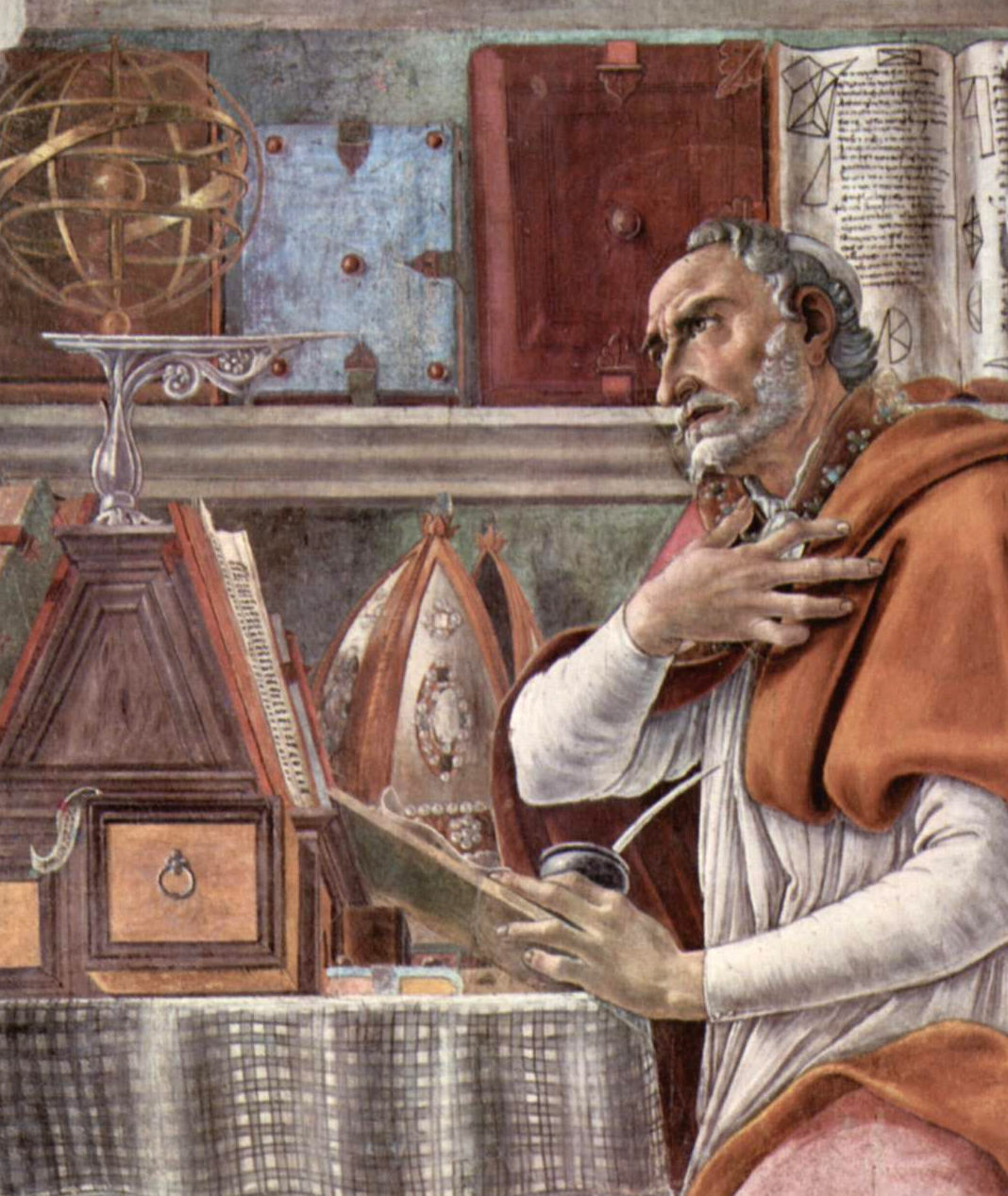 those who had claimed that Rome had fallen as a direct result of her abandonment of the Roman gods for Christianity. Augustine argued that those who worshiped the Greek and Roman gods worshiped demons, while those who worshiped Christ were worshiping the one, true and living God of the universe.
In the second half of this multi-volume work, Augustine develops a biblical theology of Christ. He traces through each book of the Bible a Christocentric hermeneutic of redemptive history. If you’ve never read City of God before, it is worth it just to see how he understands how God has worked through the different epochs of redemptive history to bring about His purposes.
History according to Augustine, more than anything else, is God’s story. However, it is not merely God’s story. History is more precisely the story of how God brings about His redemptive purposes through providentially directing the activities of the city of God and the city of man. From the dawn of creation, God has always had His people, and His people are distinct from all other people on the face of the earth.
Nehemiah Coxe
Nehemiah Coxe picked up this idea of tracing God’s redemptive activity through the word of God when he wrote Covenant Theology: From Adam to Christ. Coxe’s unique contribution was that he demonstrated how God’s redemptive work in redemptive history was uniquely covenantal. Of course, as everyone knows who is familiar with this work, Coxe largely borrowed from Congregationalist John Owen in setting out his framework.
Both Augustine and Coxe subscribe to the “godly line of Seth” view, but we should beware lest we subscribe to a view merely because it is affirmed by a theologian we respect. Our minds and our hearts must be bound to Scripture. We must never elevate a man or a creed on par with Scripture. With that in mind, let us take a look at some Scriptural proof for the “godly line of Seth” view.
Our First Parents
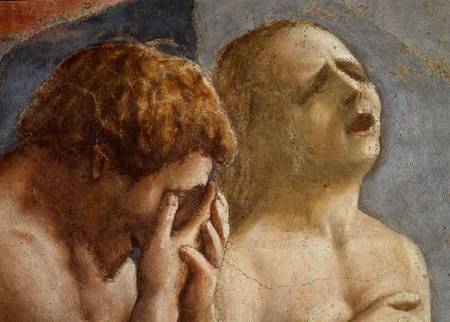 In Genesis 1 and 2, we see that Adam and Eve were made holy and happy. They had never sinned, they were naked, and they were unashamed. God had only given them one rule, and that was that they should not eat of the tree of the knowledge of good and evil. As we know well, our first parents did eat of that fruit and, doing so, they plunged all of their progeny into sin and misery.
However, in Genesis 3, God offered mankind some hope. After having conducted His trial and found the man, his wife, and their deceiver guilty, God rendered His verdict. Upon the woman, He placed a curse, that she would have pain in child-rearing. Upon the man, he placed a similar curse, that he would no longer have joy in his labors. Before pronouncing these curses, though, God pronounced a curse on the serpent, a curse that came with hope for mankind.
“And I will put enmity
Between you and the woman,
And between your seed and her seed;
He shall bruise you on the head,
And you shall bruise him on the heel” (Genesis 3:15; NASB).
This pronouncement is what many theologians have labeled the proto-euangelion, which basically means the first gospel proclamation. In it, Adam and Eve were given a promise that one of their descendants would eventually set right all that they had destroyed in their rebellious act. Thus, we can imagine the effect that their oldest son’s fratricidal act would have on them.
Cain, Abel, and Seth
In Genesis 4, we witness the murder of one of Adam’s sons at the hand of his other son, likely the one through whom the promised Seed was expected to  come. With this act, Cain cast some doubt over the promise God had made on that dismal day in the garden. Through whom was the promised Seed to come? Certainly not Cain!
The second half of Genesis 4 and Genesis 5 serve as a contrast of sorts. After Cain kills Abel, his lineage is detailed for us in the remainder of chapter 4. It is filled with violent, evil men. Chapter Five, however, reestablishes hope for mankind. Adam and Eve have a third son, Seth, and through him come godly men such as Enoch and Noah. On the arrival of Noah, Bible translators provide for us a chapter break. Yet the story is not over.
Do Not Be Unequally Yoked
Just as mankind’s hopes were dashed at the murder of Abel, so too they were dashed just after the godly line of Seth was established. What Moses tells us is that even this godly line was compromised. In fact, it was so corrupted that God saw fit to destroy the earth with a deluge. How was this godly line of Seth compromised? Through marriage.
Throughout the Bible, God forbade His people from intermarrying with pagans and idolaters. He established godly lines (e.g. Abraham, Isaac, Jacob, Judah, David…) through whom He established His covenants and promises, and through whom He would eventually bring the Seed of Abraham: Christ. The “godly line of Seth” argument is that God did not begin this covenantal headship work with Abraham, but with that promise in Genesis 3.
God has always His people, and those people have always had earthly representatives. Today, the Mediator between God and man is the man Jesus Christ. When one is found to be in the people of God under one of these covenant heads, to marry outside of that line is synonymous with apostasy. It simply is not to be done.
To do so will lead to idolatry and sin, as it did for the Israelites in the days of Balaam and still does in the church today. God’s people are not to be unequally yoked. Rather, we are to remain faithful to the God who called us out from among the nations.
Applications
In addressing the identity of the sons of God in Genesis 6, we have examined the most common interpretation today, given a negative argument against it, and offered a positive argument in favor of my personal understanding of it. This post has already been rather long. Thus, in conclusion to our study, there are just a few applications I’d like to make.
The Analogia Fide
First, we ought always to be mindful of the fact that our interpretation of one text cannot cancel out our interpretation of other texts in the word. We must  recognize that, insofar as the word was written by one divine Author, it cannot contradict itself at any point. So, when the Bible teaches creation as a divine attribute (Psalm 33:6-9; 148:5; Isaiah 43:7; 45:12; Ephesians 3:9), we must recognize the utter blasphemy of attributing creative power to any created being. So, whatever we say about the ‘sons of God’ in Genesis 6, we have no liberty to say that they are angels who created flesh for themselves.
When people take hard to understand passages and use passages that are even harder to understand to try to explain them, there is always the risk of altering very important truths in other parts of the Bible. As such, we need to revive the old hermeneutical principle of analogia fide, or the analogy of the faith. This principle is simple. It asserts that we interpret the less clear parts of Scripture in light of the more clear parts. With this principle as our guide, we will be less likely to try to apply the difficult writings of Peter to the less difficult passage in Genesis 6, obscuring its more rich meaning.
Which of the Angels?
Second, let us glory in our place in creation. When we understand that Christ didn’t go and make proclamation to angels in hell, it allows us to affirm with the author of Hebrews the true goal of the gospel. Christ came to bring many sons to glory, not from the hosts of fallen angels, but from his brothers in the flesh (Hebrews 2:9-13). “For assuredly He does not give help to angels, but He gives help to the [descendant of Abraham” (vs. 16).
Not only is Christ exalted above the angels, but He also secured a place for His brethren above the angels in glory. Our eschatological place in creation has been established by our victorious Savior, and He is not ashamed to call us brothers. What a place of significance this truth affords us. What dignity we have above even the angels!
The God of Promise
 Third, let us recognize the fact that God is faithful. Whatsoever He has promised, He will deliver. When Cain killed Abel, God’s promise stood. He provided a way through the godly line of Seth. When Adam died and all seemed lost, within the year God took Enoch demonstrating that He is a God of deliverance. When the godly line of Seth began to intermarry with heathen women and abandon God, He provided an ark of salvation. When God had been silent for hundreds of years, Rome had conquered Israel, and all once again seemed lost, God finally sent the Seed of the woman to crush the head of Satan and deliver His people from their sins.
God has met every promise He ever made. He is the God of promise, and He will remain faithful to the end. Let us glory in our great God of promise!
Who Were the ‘Sons of God’ in Genesis 6? (Application)
In addressing the identity of the sons of God in Genesis 6, I have stated the most common interpretation today, given a negative argument against it, and offered a positive argument in favor of my personal understanding of it. The last couple posts have been rather long for me. Thus, in conclusion to our study, there are just a few applications I’d like to make.
The Analogia Fide
First, we ought always to be mindful of the fact that our interpretation of one text cannot cancel out our interpretation of other texts in the word. We must recognize that, insofar as the word was written by one divine Author, it cannot contradict itself at any point. So, when the Bible teaches creation as a divine attribute (Psalm 33:6-9; 148:5; Isaiah 43:7; 45:12; Ephesians 3:9), we must recognize the utter blasphemy of attributing creative power to any created being. So, whatever we say about the ‘sons of God’ in Genesis 6, we have no liberty to say that they are angels who created flesh for themselves.
When people take hard to understand passages and use passages that are even harder to understand to try to explain them, there is always the risk of altering very important truths in other parts of the Bible. As such, we need to revive the old hermeneutical principle of analogia fide, or the analogy of the faith. This principle is simple. It asserts that we interpret the less clear parts of Scripture in light of the more clear parts. With this principle as our guide, we will be less likely to try to apply the difficult writings of Peter to the less difficult passage in Genesis 6, obscuring its more rich meaning.
Which of the Angels?
Second, let us glory in our place in creation. When we understand that Christ didn’t go and make proclamation to angels in hell, it allows us to affirm with the author of Hebrews the true goal of the gospel. Christ came to bring many sons to glory, not from the hosts of fallen angels, but from his brothers in the flesh (Hebrews 2:9-13). “For assuredly He does not give help to angels, but He gives help to the [descendant of Abraham” (vs. 16).
Not only is Christ exalted above the angels, but He also secured a place for His brethren above the angels in glory. Our eschatological place in creation has been established by our victorious Savior, and He is not ashamed to call us brothers. What a place of significance this truth affords us. What dignity we have above even the angels!
The God of Promise
Third, let us recognize the fact that God is faithful. Whatsoever He has promised, He will deliver. When Cain killed Abel, God’s promise stood. He provided a way through the godly line of Seth. When Adam died and all seemed lost, within the year God took Enoch demonstrating that He is a God of deliverance. When the godly line of Seth began to intermarry with heathen women and abandon God, He provided an ark of salvation. When God had been silent for hundreds of years, Rome had conquered Israel, and all once again seemed lost, God finally sent the Seed of the woman to crush the head of Satan and deliver His people from their sins.
God has met every promise He ever made. He is the God of promise, and He will remain faithful to the end. Let us glory in our great God of promise!
 CredoCovenant